Water Retaining Bodies
Structures that store or transport water—like swimming pools, reservoirs, potable water tanks, sumps, overhead tanks, sewage treatment plants (STPs), and dams—are constantly exposed to hydrostatic pressure, chemicals, and temperature fluctuations. Over time, these factors can lead to structural degradation and water leakage.
WG Group offers high-performance waterproofing systems specially designed for water-retaining structures, ensuring long-lasting water tightness, chemical resistance, and compliance with potable water standards.
Where Water Retaining Body Waterproofing is Recommended
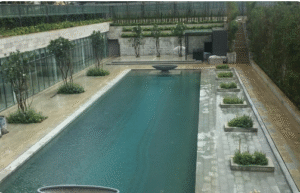
- Swimming Pools
- Potable Water Tanks (Overhead and Underground)
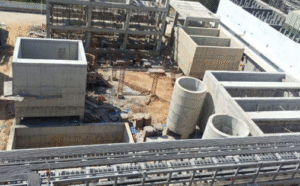
- Sewage Treatment Plants (STPs)
- Rainwater Sumps & Collection Tanks
- Dams and Canals
- Ponds and Artificial Water Features
- Industrial and Chemical Water Storage Systems
Key Features of WG Water Retention Solutions
- Withstands Constant Water Pressure
- Resistant to Chlorides, Chemicals, and Wastewater
- Suitable for Potable Water Contact
- Active Self-Sealing Technology (Crystalline Systems)
- Flexible Crack-Bridging Systems (Elastomeric)
- Durable, Non-toxic, and Low Maintenance
WG Group Recommended Systems
- Withstands Constant Water Pressure
- Resistant to Chlorides, Chemicals, and Wastewater
- Suitable for Potable Water Contact
- Active Self-Sealing Technology (Crystalline Systems)
- Flexible Crack-Bridging Systems (Elastomeric)
- Durable, Non-toxic, and Low Maintenance
1. Cementitious Coating Systems (Positive Side)
A) Crystalline-Based Cementitious System
Active waterproofing using crystalline technology
Reacts with moisture to form insoluble crystals that seal capillaries and hairline cracks
Allows vapor permeability (lets concrete “breathe”)
Long-term durability and reactivation on water contact
Ideal for reservoirs, tanks, water treatment plants, and below-grade structures
Approved for potable water use
Surface Preparation Highlights:
All honeycombs, cracks, and joints sealed using crystalline mortar
Pressure grouting at weak zones using PRAH (for hydrostatic conditions)
50×50 mm angle fillets with PMM at all corners
Bore packing with non-shrink grout (e.g., GP2)
Surface must be in SSD (Saturated Surface Dry) condition
Post-Treatment:
Keep surface damp for 10 days
Protect from direct sun, wind, and frost using poly sheets or damp burlap
B) Polymer-Based Elastomeric Cementitious System
Flexible, elastomeric cementitious coatings
Protects against acid gases, chloride ions, oxygen, and water
Suitable for new and old concrete, brick, and blockwork structures
Seamless waterproofing for tanks, reservoirs, culverts, roofs, and basements
Crack-bridging capability for surface defects
Ideal as undercoat (not UV stable)
Surface Preparation Highlights:
Clean and patch all voids with PMM or non-shrink repair mortar
Grouting with PRAN (for non-hydrostatic conditions)
50×50 mm angle fillets with PMM
Bore packing with GP2
SSD condition required before application
2. Bitumen/Epoxy-Based Systems (Special Applications)
Used in STP tanks or potable water tanks where internal plaster cannot be removed
Applied only if the plaster is sound and well-bonded
Suitable for selective cases where direct access to concrete is restricted
Why Choose WG Group
- IS-standard & certified waterproofing systems
- Safe for potable water contact
- On-site expert inspection and customized system selection
- Detailed surface preparation protocols for guaranteed performance
- End-to-end execution and post-application support